
Is the 2026 Camry a better daily sedan than the 2026 Accord for Auburn, GA drivers?
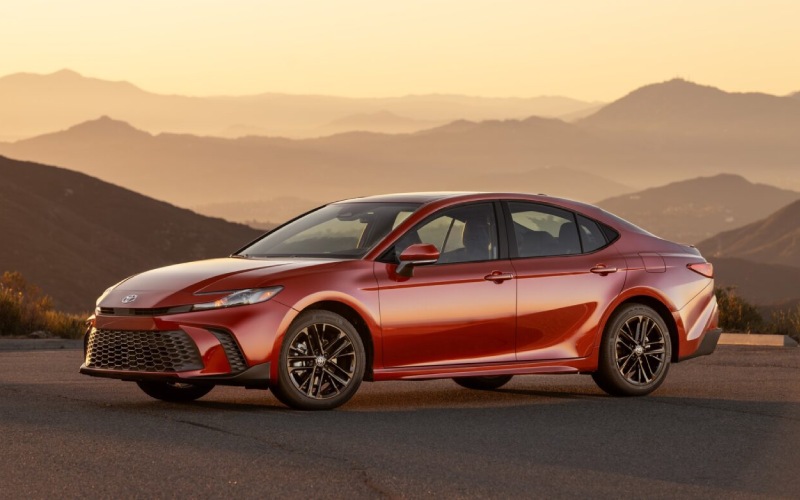
Heyward Allen Toyota – Is the 2026 Camry a better daily sedan than the 2026 Accord for Auburn, GA drivers?
For many sedan shoppers, the central question is simple: between Camry and Accord, which one is the better daily driver? Around Auburn, GA, that question usually includes more than just comfort or style. Drivers are thinking about commuting routes, traffic around shopping areas, school schedules, weekend errands, and highway time toward Athens, Atlanta, or nearby communities. Both sedans are well-known names, and both offer modern technology, driver-assistance features, and refined cabins. Still, Camry has a clear advantage for shoppers who want hybrid efficiency built into the entire lineup, more available traction confidence, and a driving personality that feels polished without being overly complicated.
The biggest difference begins with the powertrain strategy. Camry is an all-hybrid sedan, which means every grade is designed around Hybrid EV performance. Accord, by comparison, uses a turbocharged gas engine on LX and SE trims, while its hybrid powertrain is available on Sport Hybrid and above. That distinction matters because a shopper considering Camry does not have to move away from lower grades to get hybrid benefits. From the start, Camry offers the smoothness, responsiveness, and fuel-conscious engineering many drivers now expect from a midsize sedan. For anyone looking at long-term commuting comfort and fewer compromises, that makes Camry especially compelling.
Why Camry feels more complete for everyday driving
Camry’s advantage is not only about being hybrid. Toyota pairs its hybrid system with confident performance ratings and available capability that the Accord does not offer. Front-wheel-drive Camry models deliver up to 225 net combined horsepower, while models equipped with available Electronic On-Demand All-Wheel Drive (AWD) deliver up to 232 net combined horsepower. Accord’s available hybrid powertrain is rated at 204 horsepower, and its gas engine is rated at 192 horsepower. Those figures help explain why Camry can feel responsive when merging onto the highway, passing slower traffic, or pulling away from a stoplight without feeling strained.
The available Electronic On-Demand All-Wheel Drive (AWD) system is another important separator. Accord is a front-wheel-drive sedan, while Camry gives shoppers the option of AWD assistance. Toyota’s system can automatically send torque to the rear wheels when slippage is detected at the front wheels, helping improve traction and confidence. For Auburn-area drivers who travel a mix of neighborhood streets, rural connectors, and busy regional highways, that added capability can make Camry feel more prepared for real-world driving. It is not about turning a sedan into an SUV; it is about giving a practical car another useful layer of composure.
- Hybrid availability: Camry makes hybrid performance standard across the model range, while Accord limits hybrid power to select trims.
- Traction confidence: Camry offers available Electronic On-Demand All-Wheel Drive (AWD), while Accord does not offer AWD.
- Power advantage: Camry offers up to 232 net combined horsepower with available AWD, exceeding Accord hybrid output.
- Efficiency focus: Camry offers up to a 51 combined EPA-estimated mpg rating, reinforcing its commuter-friendly design.
How interior technology compares
Both sedans provide strong cabin technology, so this part of the comparison is less about whether either vehicle is modern and more about how each one feels to use every day. Camry offers an 8-in. Toyota Audio Multimedia touchscreen on select grades and an available 12.3-in. Toyota Audio Multimedia touchscreen on higher grades. It also offers an available 12.3-in. digital gauge cluster and an available Head-Up Display. Accord offers a 10.2-inch digital instrument cluster, an available 12.3-inch touch-screen on hybrid trims, and available Google built-in on Touring Hybrid. Each approach has appeal, but Camry’s layout feels especially clean, familiar, and easy to navigate.
Comfort features also help Camry make a strong case. Depending on grade, shoppers can find available leather- and microfiber-trimmed seating, available multi-stage ventilated front seats, dual-zone automatic climate control, and an available 9-speaker JBL® Premium Audio System. Accord offers available leather-trimmed seating, available ventilated front seats, and a Bose Premium Sound System on Touring Hybrid, so it is certainly well equipped. The Camry difference is the way its cabin blends comfort, simple controls, and a broad grade structure that lets drivers choose a sedan that feels right without losing the practical personality that makes Camry so popular.
Which sedan has the better exterior personality?
Camry gives shoppers several distinct styles. LE is clean and practical, SE adds sportier cues, XLE leans upscale, and XSE brings a more athletic look with features such as 19-in. smoked gray and black-finished alloy wheels and a sport-tuned suspension. Nightshade adds a particularly bold character with 19-in. satin black-finished alloy wheels, a gloss-black sport mesh front grille, a black rear spoiler, and sporty interior details. Accord also has a sleek fastback-inspired roofline and available sport styling, but Camry’s grade variety gives shoppers more ways to match appearance with personality.
That flexibility matters for a sedan buyer who wants more than basic transportation. Some drivers want a calm, refined commuter. Others want a sharper look that stands out at work, at dinner, or in a neighborhood driveway. Camry covers both approaches well. It keeps the practical sedan proportions that make it easy to park, comfortable to drive, and simple to live with, while still offering expressive trims for shoppers who want a more dynamic design. The result is a midsize sedan that does not feel locked into one personality.
Safety and driver assistance: what should shoppers know?
Camry includes Toyota Safety Sense™ 3.0, which supports the driver with a suite of advanced safety and driver-assistance technologies. Camry also highlights a standard Blind Spot Monitor (BSM), a feature many drivers appreciate during lane changes on busy roads. Available Traffic Jam Assist adds another layer of convenience in certain slower-moving traffic conditions. Accord includes the Honda Sensing® Suite, with features such as Collision Mitigation Braking System™ (CMBS™), Road Departure Mitigation System, Adaptive Cruise Control with Low-Speed Follow, and Lane Keeping Assist System with Traffic Jam Assist. Both sedans take safety seriously, but Camry pairs its safety technology with available AWD, giving it a broader confidence story.
For local driving, that combination can be valuable. A typical week might include highway merging, stop-and-go congestion, crowded parking lots, and backroads with changing pavement quality. Driver-assistance features cannot replace attentive driving, but the right systems can help reduce fatigue and improve awareness. Camry’s standard and available technologies are designed to support that kind of daily confidence while maintaining the smooth, easygoing feel shoppers expect from a Toyota sedan.
Who should choose Camry over Accord?
Camry is the stronger choice for drivers who want hybrid engineering as the foundation of the sedan, not a feature reserved for specific trims. It is also the better fit for shoppers who want available AWD, a stronger available net combined horsepower rating, and multiple design personalities within one model family. Accord remains appealing for drivers who prioritize its specific cabin tech or brand preference, but Camry answers more everyday questions with one package. That is especially important for shoppers near Braselton, Auburn, and Hoschton, GA, who want a sedan that feels efficient, comfortable, capable, and easy to own.
- Choose Camry if: Hybrid performance is a must-have across the lineup.
- Choose Camry if: Available all-wheel-drive confidence matters for your daily routes.
- Choose Camry if: You want a sedan with practical comfort and a sportier available look.
- Choose Camry if: You value Toyota’s long-standing hybrid leadership and easy-to-use technology.
Frequently Asked Questions:
Is Camry more powerful than Accord?
Camry offers up to 232 net combined horsepower with available Electronic On-Demand All-Wheel Drive (AWD), while Accord’s available hybrid powertrain is rated at 204 horsepower. That gives Camry the advantage for shoppers comparing peak hybrid output.
Does Accord offer all-wheel drive?
No. Accord is offered with front-wheel drive. Camry offers available Electronic On-Demand All-Wheel Drive (AWD), making it the better option for shoppers who want added traction confidence in a midsize sedan.
Are both sedans available with large touchscreens?
Yes. Camry offers an available 12.3-in. Toyota Audio Multimedia touchscreen, and Accord offers an available 12.3-inch touchscreen on hybrid trims. Camry also offers an available 12.3-in. digital gauge cluster and available Head-Up Display.
Where can I compare Camry options locally?
Heyward Allen Toyota can help shoppers compare Camry grades, features, colors, and available options so it is easier to choose the sedan that best fits daily driving needs.
For the common daily-driver question, Camry has the edge. Its all-hybrid lineup, available Electronic On-Demand All-Wheel Drive (AWD), strong available horsepower, comfortable cabin, and flexible grade structure make it especially well suited to drivers who want one sedan that can handle commuting, errands, and longer trips with confidence. Accord is a respected competitor, but Camry feels more complete for shoppers who want efficiency, capability, and modern Toyota technology in one refined midsize sedan.

0 comment(s) so far on Is the 2026 Camry a better daily sedan than the 2026 Accord for Auburn, GA drivers?